Build a Strong Academic Foundation
Enroll now in a school known for innovation, leadership, and nurturing well-rounded students.
1572
450+
Years of legacy
830
Full-Boarding pupils
Founded in 1572, Harrow’s long heritage shapes a strong community spirit and sense of belonging. Its identity lies in balancing tradition with innovation, continuity with change.
As one of the world’s most respected independent schools, Harrow School provides a world-class, full-boarding education for 830 boys aged 13 to 18 on its 324-acre campus in northwest London, United Kingdom. Harrow strives to be at the forefront of educational development through inspiring teaching and coaching, cutting-edge technology, and outstanding facilities.
Founded in 1572, Harrow’s rich heritage continues to shape daily life within the School. It fosters a strong sense of community among pupils, staff, and parents, nurturing both personal growth and a shared spirit of belonging that spans generations.
At its core, Harrow embodies a balance between tradition and innovation – honouring its history while embracing progress, and uniting the values of the past with the opportunities of the future.
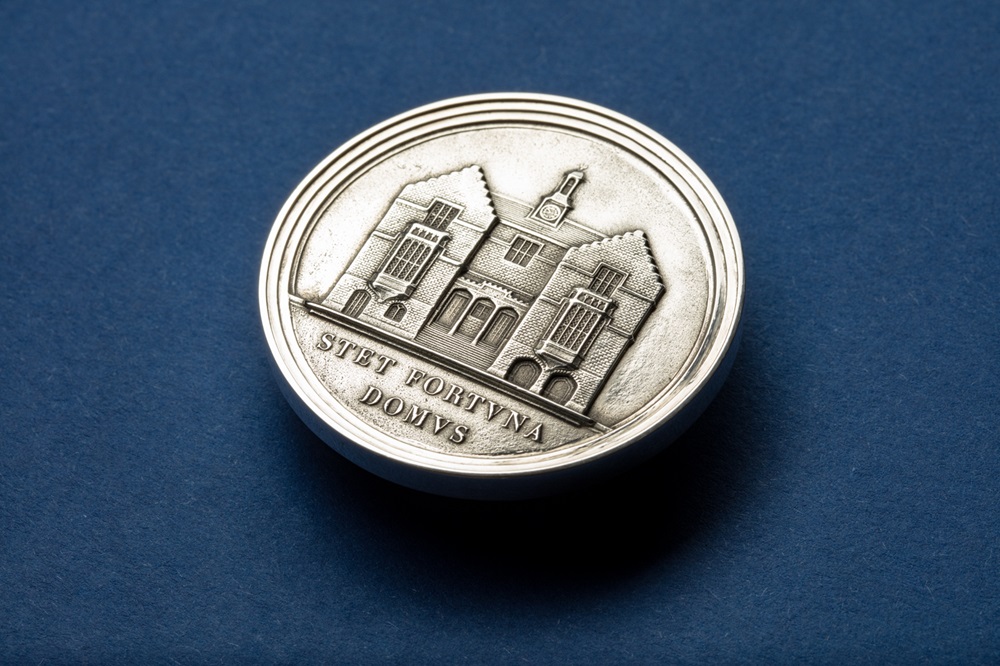
Harrow School’s history spans more than four centuries of academic excellence
and character-driven education.
Harrow Dubai is part of a legacy that has shaped confident, capable, and compassionate young people for more than four centuries. These key moments capture how Harrow’s values, traditions, and educational excellence have grown into a global standard.
Harrow School’s history spans more than four centuries of academic excellence
and character-driven education.
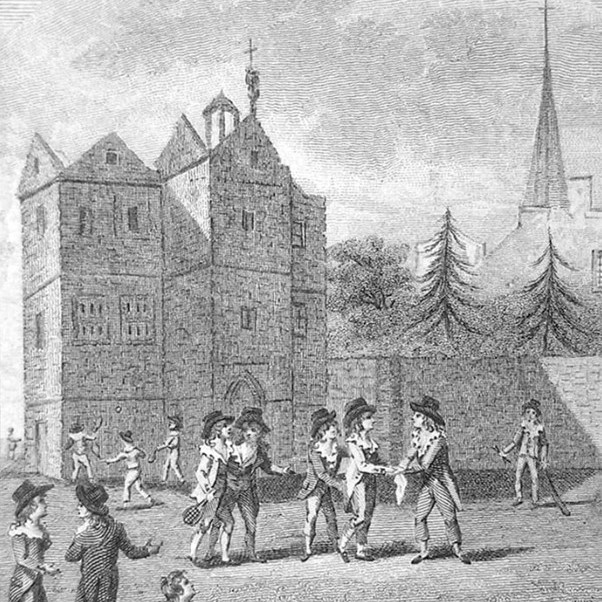
Harrow School was founded by John Lyon, a land-owning farmer from the village of Preston in the London Borough of Brent. He was granted a Royal Charter from Queen Elizabeth I, in 1572, to endow a parish school in Harrow on the Hill as a free grammar school for 30 local boys.
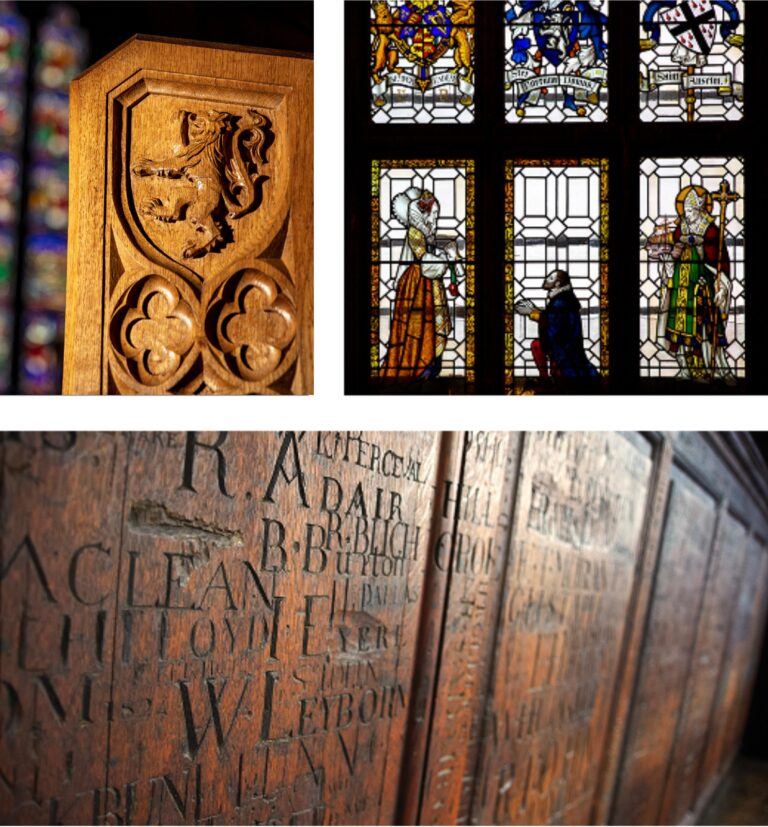
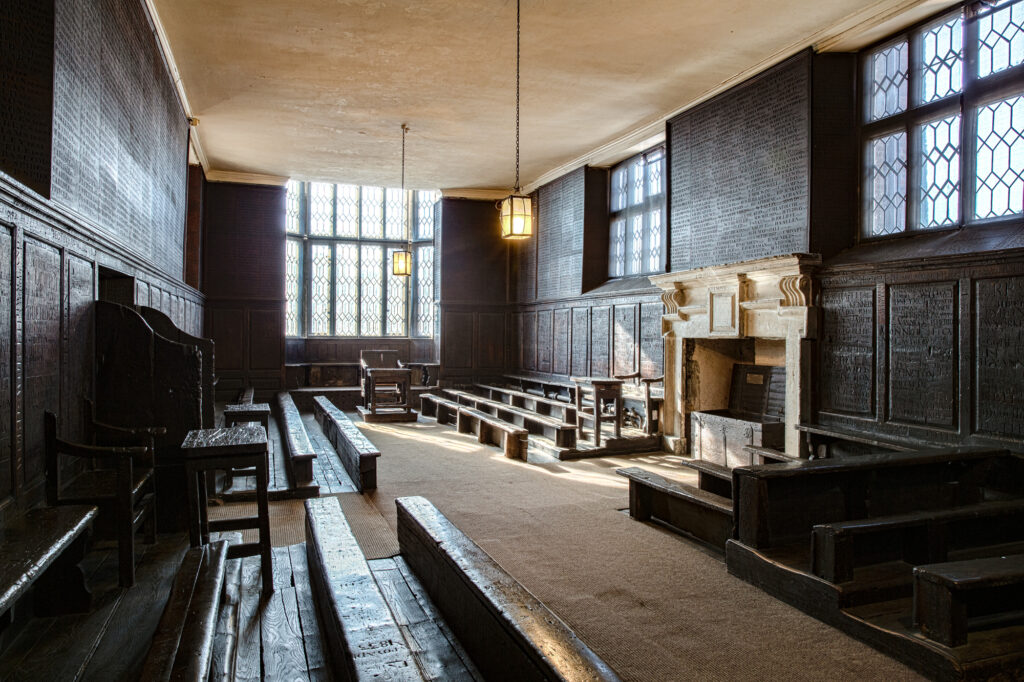
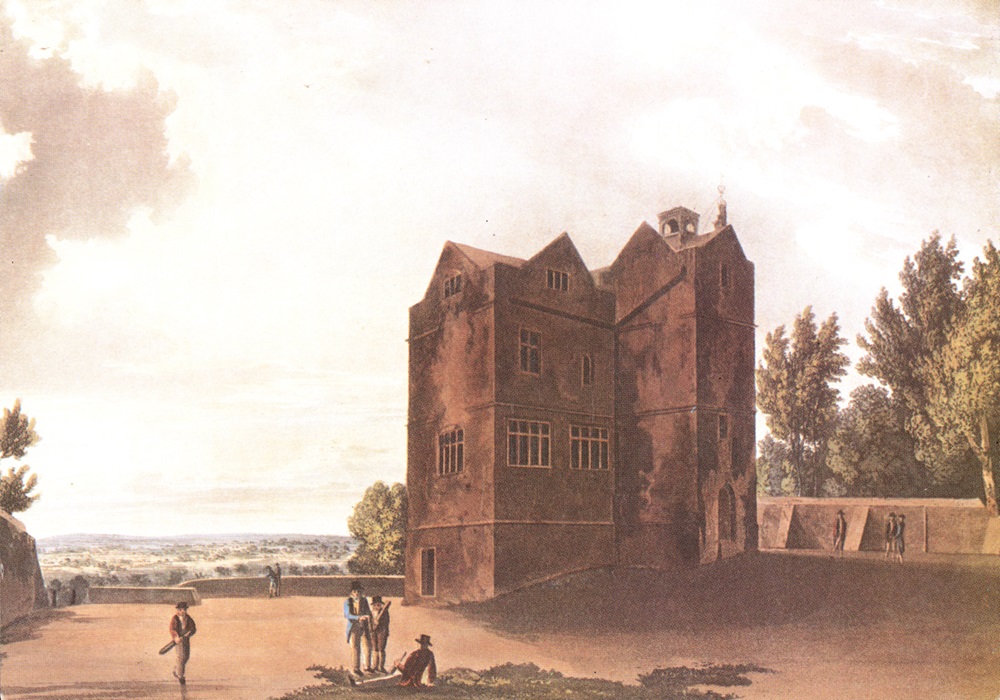
Harrow opened its doors to its first recorded pupil, Macharie Wildblud, son of the parish vicar, in 1615. Classes were held in the Fourth Form Room, the School’s original classroom, which is preserved to this day within the Old Schools building. The walls of the Fourth Form Room are famously covered with the names of Harrovians, as boys were once permitted to carve their names into them. Did young Macharie know that he would become the first pupil of an institution that would grow into a global symbol of education, associated with academic excellence and innovation?
Early pupils focused on Greek, Latin, and religious study, writing on their knees as there were no desks. By the late 17th century, the curriculum had broadened to include mathematics, handwriting, drawing, dancing, and fencing – signalling a gradual shift toward a more rounded education.
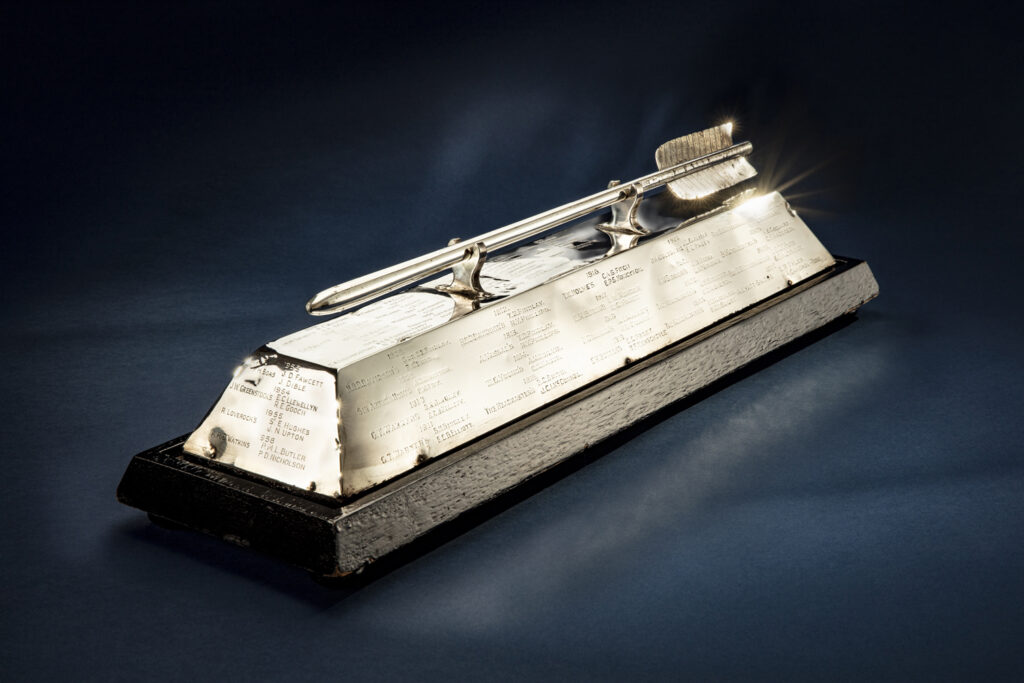
The Silver Arrow archery contest was introduced in 1678, following Sir Gilbert Talbot’s gift of a ceremonial arrow to be competed for annually by twelve boys. It quickly became a major social event in the School calendar and continued without interruption until 1772, reflecting the importance of sport and ceremony in early school life – a tradition that continues to this day.
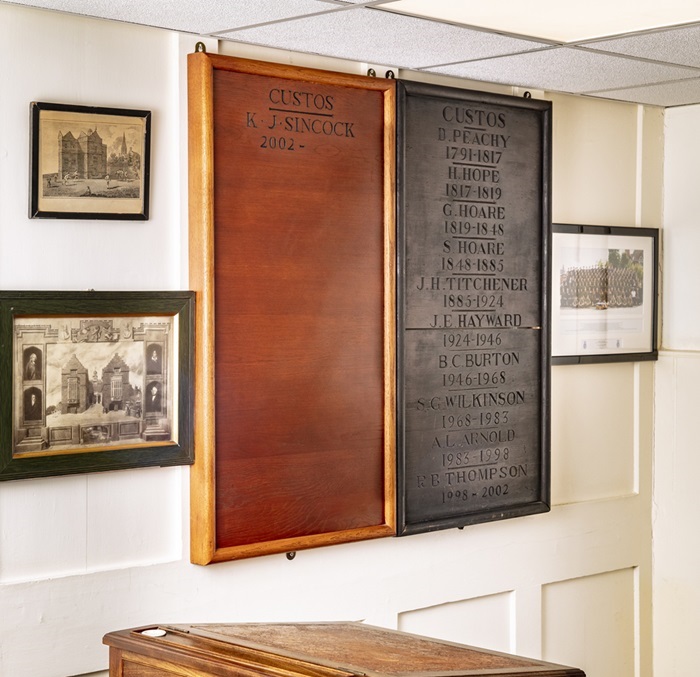
As pupil numbers at the School grew, the role of Custos, or Custodian, was introduced. Custos’s role was akin to that of a School caretaker, focused on keeping the School running smoothly: ensuring lessons began on time and that boys were where they needed to be. Today, Custos plays an important role in ensuring pupils uphold Harrow’s standards of dress, conduct, and respect, and understand their place within a long and valued tradition.
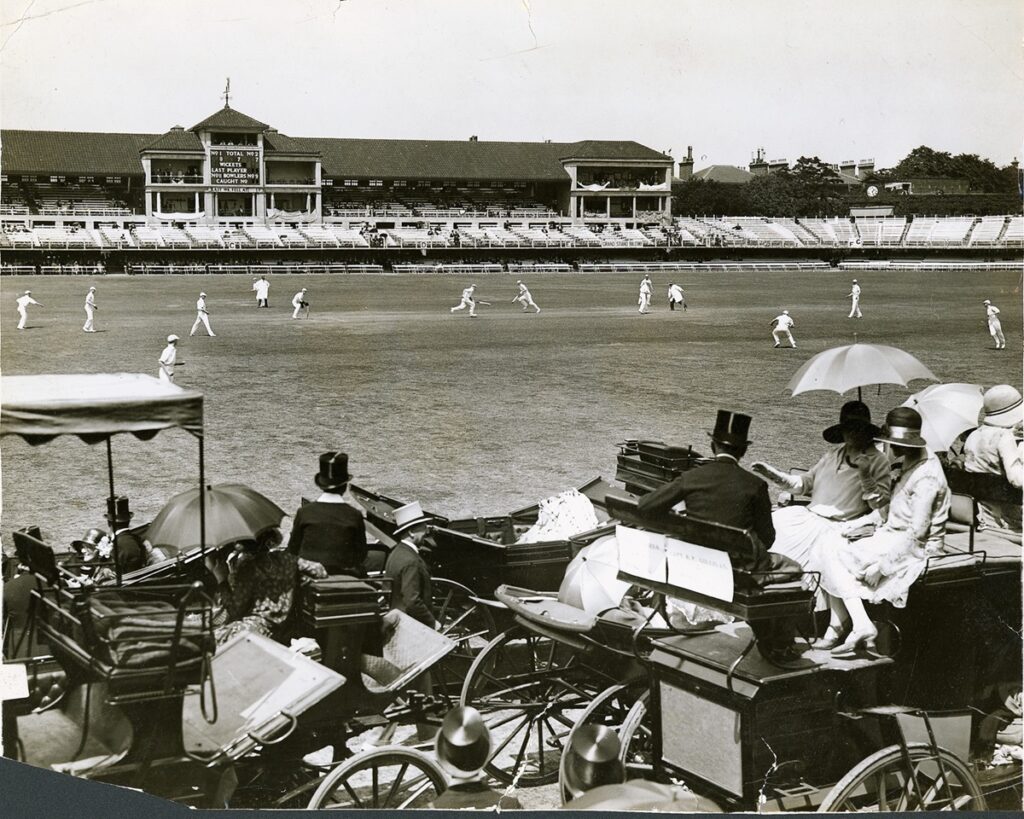
The Eton v Harrow cricket match at Lord’s is one of the longest-running annual sporting fixtures in the world. Famously, Lord Byron (Harrow 1805), widely regarded as one of England’s greatest poets, played in its inaugural match. The longevity of this fixture, and the enduring enthusiasm it inspires, have helped cement sport as a central part of Harrow’s identity, a tradition that continues to this day.
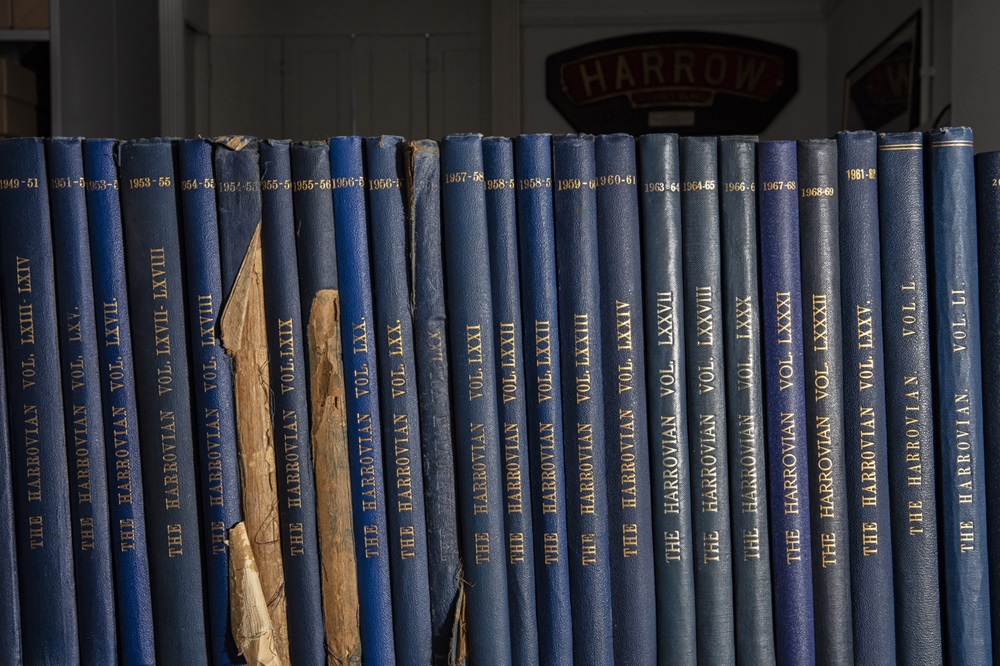
The Harrovian is the longest-running school newspaper, dating back to 1828. Produced by the boys, it includes news, sports results, features, and comment pieces. It is also an invaluable resource for historians, capturing not only the details of School life but also the concerns of the wider world, as reflected in articles written by boys and staff, and offering a fascinating insight into social history.
Squash was invented in Harrow when the pupils started playing with a punctured rackets ball, which “squashed” on impact with the wall. In 1864 the first four Squash courts were constructed at Harrow School and squash was officially founded as a sport in its own right.
The long-standing annual tradition of Founder’s Day was established on 3 October 1842 to commemorate the anniversary of John Lyon’s death. Old Harrovians return to the Hill to play Harrow football against the School.
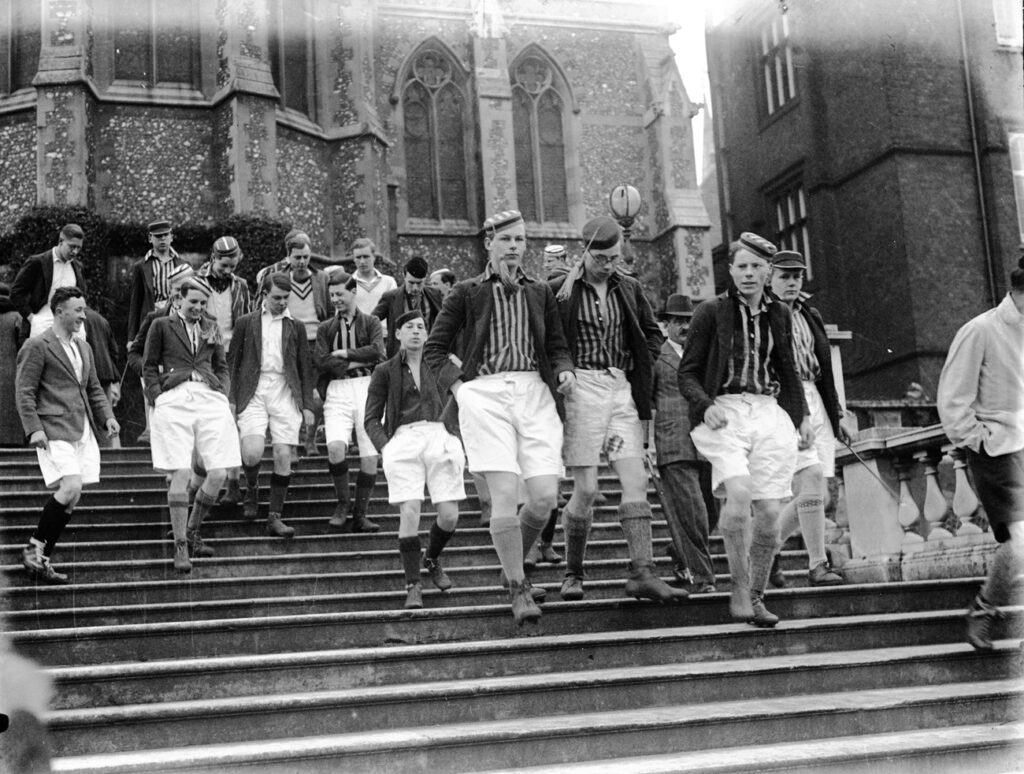
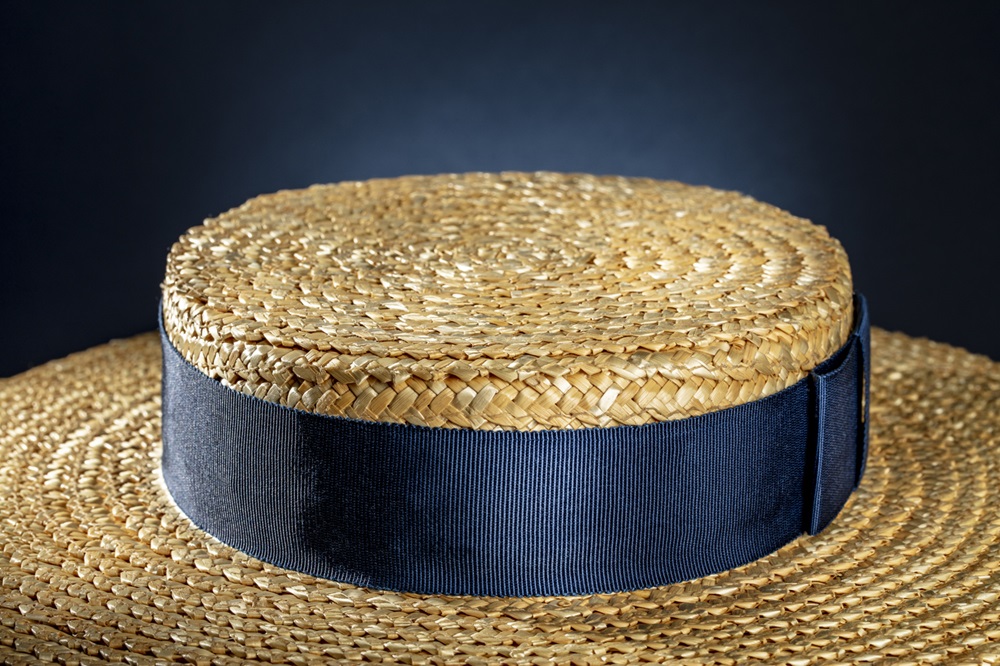
There was no official school uniform at Harrow until around 1850, and even then it developed gradually, with many of the conventions shaped by the boys themselves. Older boys were typically wearing black tailcoats and waistcoats, striped trousers, and top hats, while younger boys wore short jackets without tails. By 1830, the straw hat, originally used for cricket, had become common in the summer term. By 1888, blue jackets ‘bluers’ and grey flannel trousers ‘greyers’ had replaced tailcoats for games and half-holidays and during the First World War, as a measure of economy, these became the daily uniform. The origins of the School’s blue and white colours, however, remain a mystery.
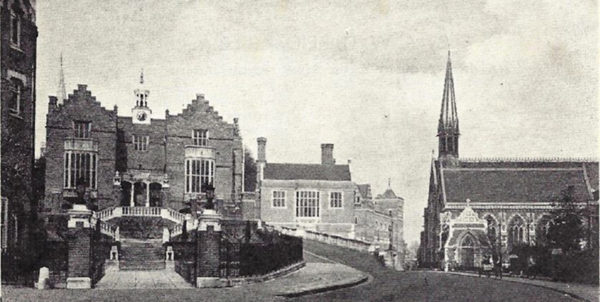
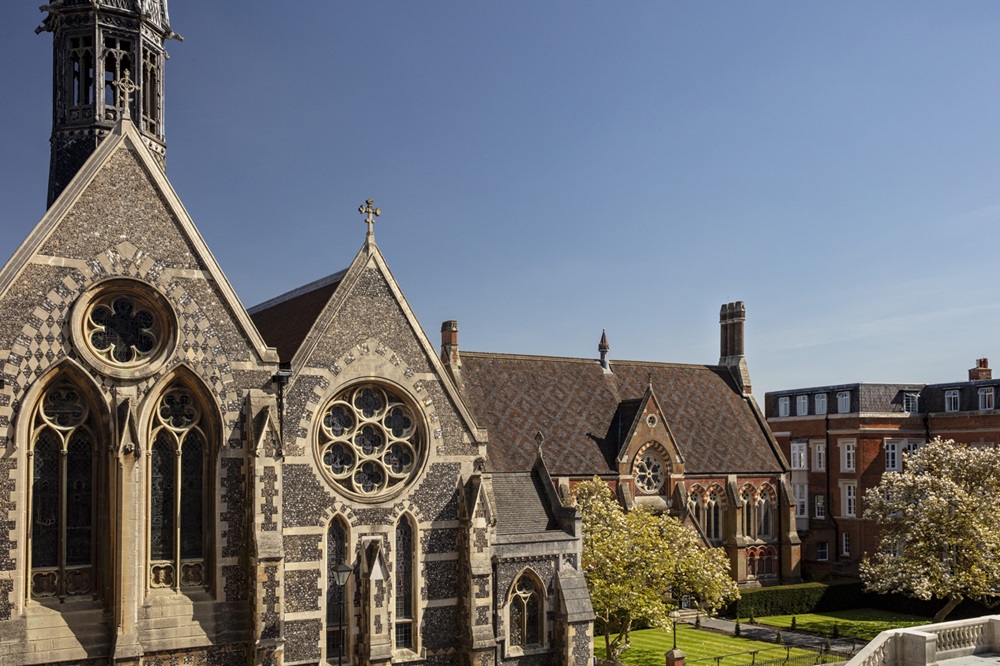
While Old Harrovians helped to build modern Britain, the iconic High Street of the Hill recognisable today was also being built with the erection of the Chapel in the 1854, the Vaughan Library in the 1863 and Speech Room in the 1877. These developments shaped the physical and cultural heart of the School and began a tradition of inspiring learning environments that continues today.
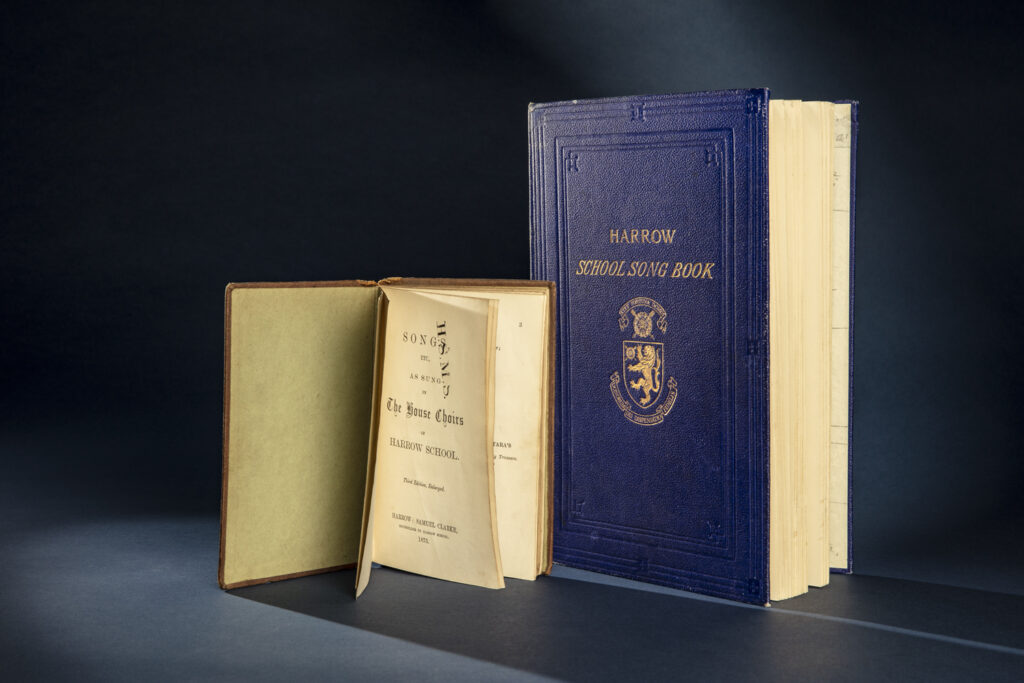
Songs have been a unifying force in Harrow life since John Farmer wrote the first one as Head of Music in 1864. Communal singing fostered unity, identity, and tradition among pupils and they continue to be sung at Harrow School today, every term in Houses and regularly as a whole School. Forty Years On, written by Edward Bowen in 1872 has become known as The Harrow Song and, over the years, has been adopted by many other schools
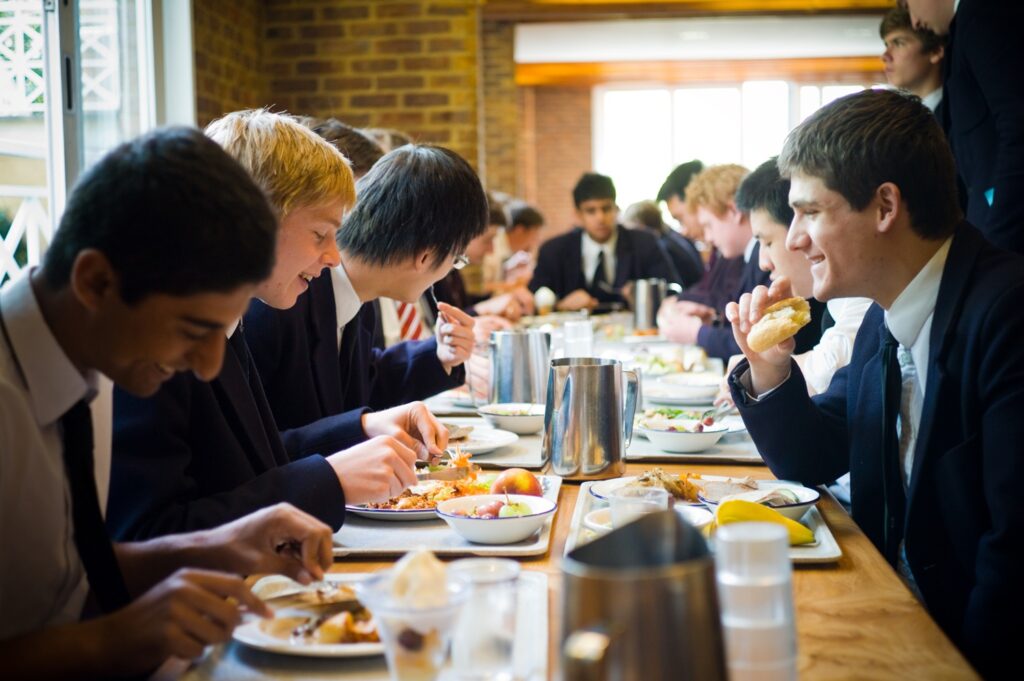
The construction of the Shepherd Churchill Dining Hall brought pupils together for shared meals, strengthening unity across boarding Houses and modernising daily school life.
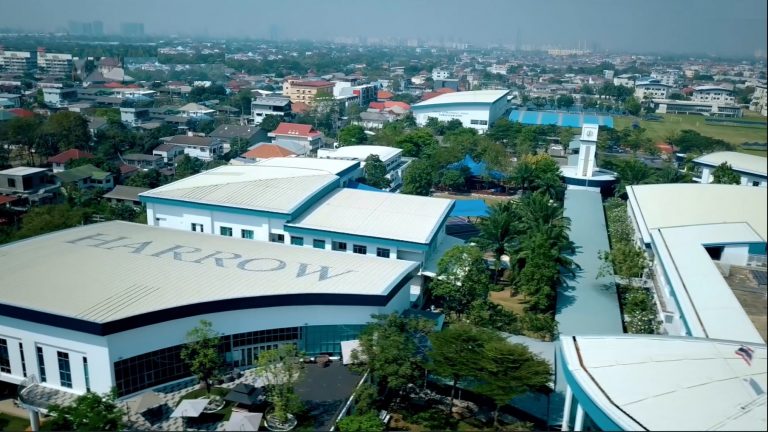
Harrow opened its first international school in 1998 with the opening of Harrow International School Bangkok, marking the beginning of the global Harrow family of Schools extending Harrow’s educational excellence and values beyond the UK.
Following the installation of a cutting-edge information technology system in 1999 with underground cabling installed across the School, computers were introduced into boarding houses in 2008, reflecting the School’s adaptation to modern education. This early adoption of technology was continued with the opening of a new Teaching, Learning and AI Hub in Old Schools in 2023, with tradition meeting innovation.
Harrow School’s four core values – courage, honour, humility, and fellowship – are rooted in its 1572 foundation, but they were formally reinforced and recognised through Values awards in 2022, the School’s 450th anniversary year.
Harrow School combines over 450 years of tradition with modern innovation. Customs like Songs, morning Bill, and its iconic uniform sit alongside advanced technology-driven teaching, state-of-the-art new learning environments facilities and ongoing boarding House renovations. A broad super-curriculum and global partnerships prepare pupils for a connected world.
Harrow’s most impressive alumni are known among the school community as the “Giants of Old”.
These giants include distinguished alumni such as Sir Winston Churchill, Shri Jawaharlal Nehru, and Lord Shaftesbury, alongside members of royal families from the Middle East, Britain, Thailand, India, and Malaysia.
The School’s influence extends across literature (Lord Byron, Anthony Trollope), the performing arts (Benedict Cumberbatch, James Blunt, Richard Curtis), and science and exploration (Nobel laureate Lord Rayleigh, photography pioneer Fox Talbot, astronaut Dr Nicholas Patrick, and explorer Pen Hadow).
Seven British Prime Ministers, including Sir Winston Churchill and Sir Robert Peel. The first Prime Minister of India, Shri Jawaharlal Nehru. Former Govenor-General of Canada, Field Marshall Viscount Alexander. Nizam of Hyderabad Mukarram Jah, King Hussein of Jordan and King of Iraq Faisal II. British, Thai, Indian, Malaysian and Middle Eastern royal families.
British social reformer Lord Shaftesbury. Admiral Rodney. Former UK Ambassador to the UN Sir Jeremy Greenstock, former Head of the British Armed Forces Field Marshall The Lord Guthrie, former Head of the British Civil Service Lord Butler, and a former Commander of British Forces General Sir Peter de la Billière.
The writers Lord Byron, Richard Brinsley Sheridan, Anthony Trollope, John Galsworthy and Terence Rattigan. Actors Benedict Cumberbatch and Edward Fox, musician James Blunt and filmmaker Richard Curtis.
Historians Christopher Tyerman and Simon Sebag Montefiore, and medieval art history professor Paul Binski. Nobel prize-winning physicist Lord Rayleigh, photography pioneer William Fox Talbot, documentary-maker Alastair Fothergill, and explorers Sir Arthur Evans, James Bruce, Pen Hadow and Tom Avery.
Founder of the UK’s Football Association Charles Alcock, international rugby players Maro Itoje and Billy Vunipola, and cricketer Nick Compton.
Property developer Peter Beckwith, founder of Island Records Chris Blackwell, and inventor of the Brompton folding bicycle Andrew Ritchie.